Are We Making God Hard or Impossible for Others?

Are We Making God Hard or Impossible for Others?
Bro Brendan Leow | 8 February 2026 | Matthew 23:13–15
Jesus’ words in Matthew 23 are among the strongest warnings He ever spoke. He declares:
“But woe to you, scribes and Pharisees, hypocrites! For you shut up the kingdom of heaven against men; for you neither go in yourselves, nor do you allow those who are entering to go in. Woe to you, scribes and Pharisees, hypocrites! For you devour widows’ houses, and for a pretense make long prayers. Therefore you will receive greater condemnation. Woe to you, scribes and Pharisees, hypocrites! For you travel land and sea to win one proselyte, and when he is won, you make him twice as much a son of hell as yourselves.”
(Matthew 23:13–15)
This passage forces an uncomfortable but necessary question: Are we making God hard or impossible for others? Sometimes believers mean well, yet unknowingly create barriers instead of bridges.
Like forcing a relationship that might otherwise have grown naturally, even good intentions can damage what was meant to draw people closer. In the same way, religious behavior — when mishandled — can push souls away from God. Jesus confronts this danger directly, reminding us that our actions carry weight and real consequences for others.
The repeated word “woe” (Greek οὐαί — ouai) is a prophetic cry of grief and warning. It is not merely saying “you are wrong,” but expressing sorrow over a path leading to spiritual destruction — a warning that their actions are harming both themselves and others.
Jesus directs this warning to the scribes — experts/scholars who possessed deep klnowledge in Scripture — and the Pharisees — religious leaders known for religious traditions. Their knowledge and activity were not the problem. Their hearts were.
Jesus later describes them as:
“Woe to you, scribes and Pharisees, hypocrites! For you are like whitewashed tombs which indeed appear beautiful outwardly, but inside are full of dead men’s bones and all uncleanness.”
(Matthew 23:27)
Woe #1 — Blocking the Door to Heaven
Jesus says they were shutting up the kingdom of heaven against others — dragging people into a ditch instead of leading them to life. Like a disruptive child in a classroom who prevents everyone from learning, their conduct created a chain reaction of harm.
Actions influence others; actions carry consequences. How we conduct ourselves always impacts those around us. Faith is never private in its effects — it either opens doors to God or quietly closes them.
The Pharisees replaced God’s word with human rules:
“And in vain they worship Me, teaching as doctrines the commandments of men.”
(Matthew 15:9)
Instead of drawing sinners closer, they added locks to God’s door. Yet God’s word is meant precisely for imperfect sinners. Claiming to act in God’s name, the Pharisees used religion as a tool of power and control rather than a bridge of mercy and restoration.
When they criticized Jesus for eating with sinners:
“Then all the tax collectors and the sinners drew near to Him to hear Him. And the Pharisees and scribes complained, saying, ‘This Man receives sinners and eats with them.’”
(Luke 15:1–2)
Jesus responded with the parable of the lost sheep:
“What man of you, having a hundred sheep, if he loses one of them, does not leave the ninety-nine in the wilderness, and go after the one which is lost until he finds it? … I say to you that likewise there will be more joy in heaven over one sinner who repents than over ninety-nine just persons who need no repentance.”
(Luke 15:3–7 excerpt)
Their religion shamed sinners, but Jesus’ heart pursued them. The Pharisees misrepresented God by building impossible standards rooted in self-righteousness. When the heart is wrong, the actions will be wrong — and that is the true danger: a distorted heart that pushes people away from the very God it claims to serve.
Woe #2 — Exploiting Under a Religious Mask
Jesus condemns leaders who “devour widows’ houses” — exploiting the most vulnerable in society. Widows in that culture were socially defenseless, yet the scribes and Pharisees presented themselves as spiritual guides while abusing the trust placed in them. Scripture does not detail the exact method of exploitation, but the charge is clear: their authority was driven by corrupt intention, not compassion. In doing so, they misrepresented God’s name, using religion as a mask for self-interest rather than a channel of mercy.
They also prayed for show:
“And when you pray, you shall not be like the hypocrites. For they love to pray standing in the synagogues and on the corners of the streets, that they may be seen by men. Assuredly, I say to you, they have their reward.”
(Matthew 6:5)
“And when you pray, do not use vain repetitions as the heathen do. For they think that they will be heard for their many words.”
(Matthew 6:7)
Jesus clarifies:
“But you, when you pray, go into your room, and when you have shut your door, pray to your Father who is in the secret place; and your Father who sees in secret will reward you openly.”
(Matthew 6:6)
Long prayers are not wrong — Jesus condemns vain prayers. Prayer is meant to be raw, personal, and dependent on God, not a performance or competition. Their public display turned prayer into spectacle and made others feel unworthy to approach God, as if eloquence were a requirement for acceptance.
In doing so, they created a distorted image of God, suggesting He only listens to the impressive. The scribes and Pharisees prayed with prideful hearts, and what appeared spiritual outwardly was not right in God’s eyes.
Woe #3 — Zeal Without Truth
“Woe to you, scribes and Pharisees, hypocrites! For you travel land and sea to win one proselyte, and when he is won, you make him twice as much a son of hell as yourselves.”
(Matthew 23:15)
They travelled land and sea to win converts — their commitment was undeniable. Yet zeal alone does not equal faithfulness in Christ. A proselyte is someone who trusts religious leaders to guide them into a new path, and tragically these leaders produced followers more lost than before.
Their energy was real, but their message was corrupted. Passion without truth does not save; it misleads. What looked like devotion was spreading error disguised as righteousness.
Jesus rebuked their man-made laws:
“…making the word of God of no effect through your tradition…”
(Mark 7:13 excerpt)
They excused neglect of parents through “Corban” (Mark 7:10–13) and added Sabbath burdens (Matthew 12:1–8). Their zeal was real — but fundamentally wrong.
James warns:
“My brethren, let not many of you become teachers, knowing that we shall receive a stricter judgment.”
(James 3:1)
They believed they were saving souls while spreading hypocrisy and error.
Recap
Matthew 23:13–15 reveals three heart failures:
Wrong Heart, Wrong Action
Right-looking Action, Wrong Heart
Religious Zeal, Corrupted heart
These dangers are not ancient history.
They remain possible in any believer today and creates a barrier to Christ for others.
The Path Forward — Right Heart, Right Action
1. Reflect regularly on our conduct
Scripture calls believers to honest self-examination. We must regularly reflect on whether our hearts and actions truly align with God’s will. This requires humility and courage — assessing not only what we do, but why we do it — and asking the deeper question: Is this right in God’s eyes?
“Examine yourselves as to whether you are in the faith. Test yourselves.”
(2 Corinthians 13:5)
“There is a way that seems right to a man, but its end is the way of death.”
(Proverbs 14:12)
Transformation begins in the mind:
“And do not be conformed to this world, but be transformed by the renewing of your mind…”
(Romans 12:2)
“For as he thinks in his heart, so is he.”
(Proverbs 23:7 excerpt)
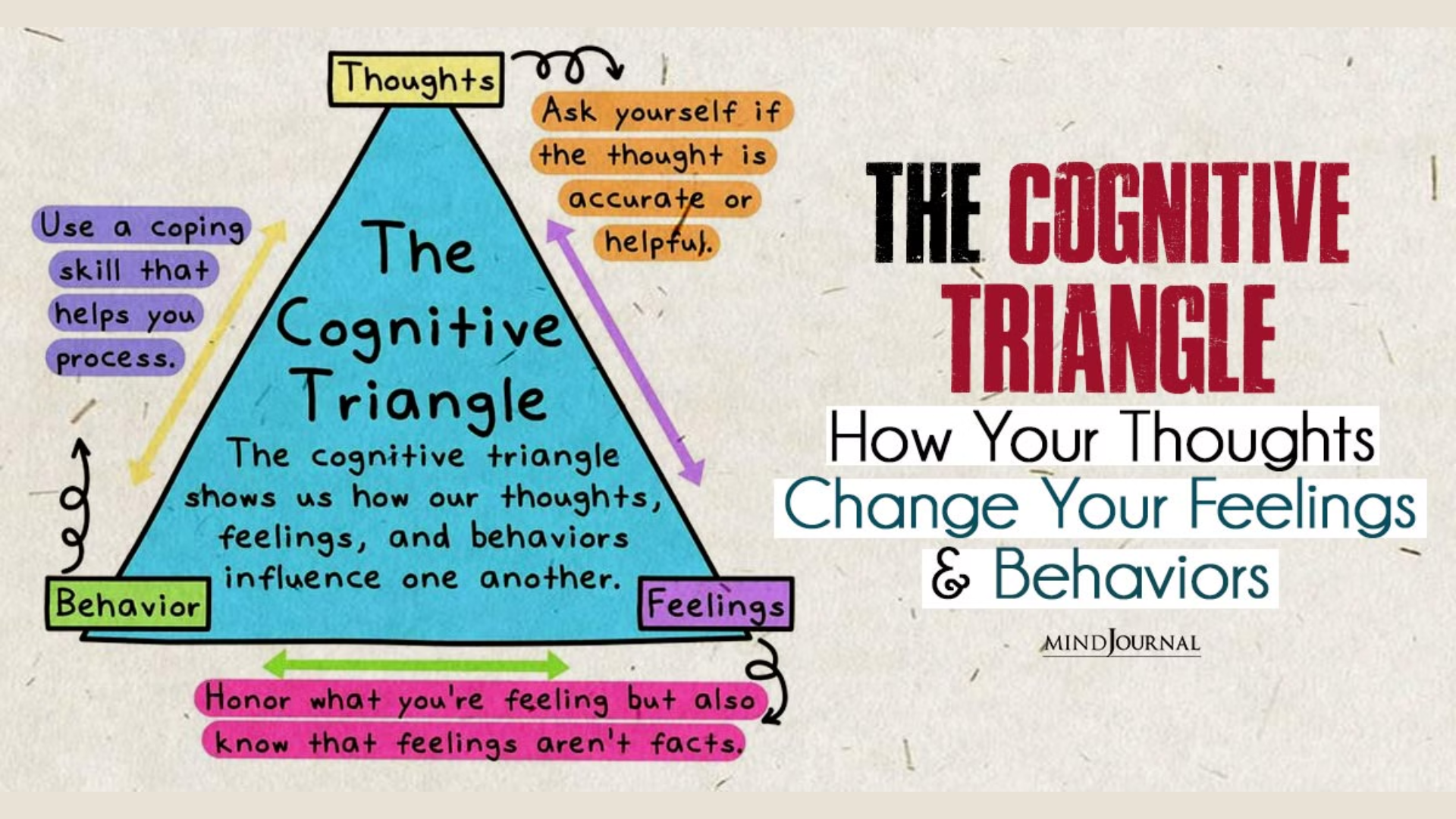
Source : themindsjournal
Jesus warns:
“…inside they are full of extortion and self-indulgence.”
(Matthew 23:25 excerpt)
Thoughts shape feelings, and feelings shape behavior. Renewal must begin within. What we believe to be true — and how we interpret situations — acts like a double-edged sword. Our thoughts influence our emotions, and our emotions eventually guide our actions.
We may begin to measure spirituality by the wrong standards: I feel like a good Christian because I know many verses… because I serve often… because I appear faithful. These inner metrics quietly shape how we see ourselves and others. When thoughts are misaligned, they can make us judgmental, critical, or self-righteous without realizing it.
God calls us to center our minds not on what we want, but on what He wants. When our thinking is purified and aligned with His will, our feelings and behavior will naturally follow in the right direction.
2. Accountability Matters
“Two are better than one… For if they fall, one will lift up his companion.”
(Ecclesiastes 4:9–10)
“Bear one another’s burdens, and so fulfill the law of Christ.”
(Galatians 6:2)
“As iron sharpens iron, so a man sharpens the countenance of his friend.”
(Proverbs 27:17)
“Let them alone. They are blind leaders of the blind…”
(Matthew 15:14)
The Pharisees went largely unchecked because their status commanded respect and few dared to question them. When no one else would confront them, Jesus did. Unchallenged authority can quietly drift into spiritual blindness.
This is why faithful companionship matters. Even strong servants grow weary — the spiritual journey is a marathon, not a sprint. Iron sharpens iron; wood cannot sharpen wood. We need mature, faithful brethren who love us enough to speak truth with grace, helping us see what we might miss on our own.
3. Prayer Sustains the Journey
“If any of you lacks wisdom, let him ask of God… and it will be given to him.”
(James 1:5)
“Trust in the LORD with all your heart…”
(Proverbs 3:5–6 excerpt)
“God resists the proud, but gives grace to the humble.”
(James 4:6)
“Let nothing be done through selfish ambition… in lowliness of mind let each esteem others better than himself.”
(Philippians 2:3–5 excerpt)
“…whatever you do, do it heartily, as to the Lord…”
(Colossians 3:23–24 excerpt)
Surrendering control to God is an act of faith — trusting Him to guide our path instead of insisting on our own way. Prayer protects the heart from pride. It shifts the focus from ego to a sincere desire to please God, shaping humility within us.
As the Malay proverb says, Resmi padi, makin berisi, makin tunduk — the fuller the rice stalk, the lower it bows. The more knowledge and wisdom we gain, the more humble we should become. True spiritual growth does not inflate the self; it softens it. Prayer humbles the ego, purifies motives, and reminds us who we are truly working for.
To embody the heart of a Christian is to walk in humility. Prayer also sustains us when we grow weary. We depend on God’s strength to remain steady and faithful. Making prayer a habit allows God to carry us for the long journey ahead.
“And let us not grow weary while doing good, for in due season we shall reap if we do not lose heart.”
(Galatians 6:9)
Conclusion
Jesus’ warning is not meant to shame believers but to rescue them. Religion without the right heart can push people away from God. But humility, accountability, renewed thinking, and prayer turn barriers into bridges.
The question remains deeply personal: Are we helping people see God more clearly — or making Him harder to reach?
A faithful life does not merely look religious. It reflects the heart of Christ — gentle, truthful, humble, and inviting.
And when believers walk that path, they do not close the kingdom… they hold the door open.
