Summary & Conclusion: Jesus’ Sermon on the Mount

Summary & Conclusion: Jesus’ Sermon on the Mount
Bro. Yeow Chin Kiong | 2 November 2025 | Matthew 5 : 11 – 12
“Blessed are you when they revile and persecute you, and say all kinds of evil against you falsely for My sake. Rejoice and be exceedingly glad, for great is your reward in heaven, for so they persecuted the prophets who were before you.”
— Matthew 5:11–12
The Sermon on the Mount in Matthew chapters 5 to 7 is one of the greatest teachings ever given by Jesus. It spans 111 verses, of which 97 verses of Jesus preaching recorded, showing the depth and completeness of His instruction. While the Gospel of Luke also records a similar teaching — often called the Sermon on the Plain (Luke 6:27–49) — the emphasis in Matthew is different.
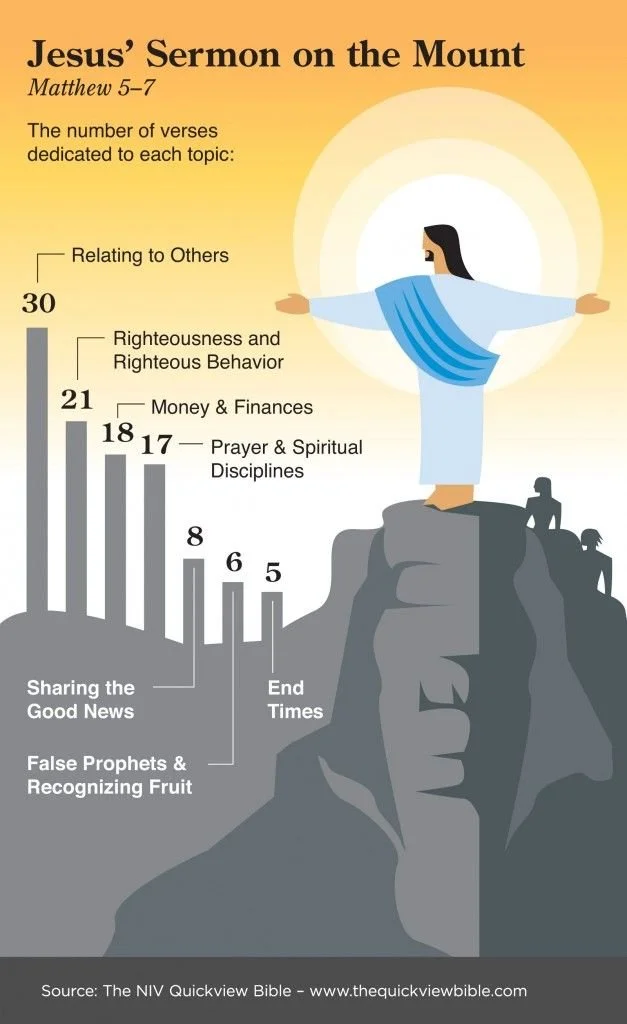
Luke’s account contains four blessings and four corresponding woes (Luke 6:20–26), and it was spoken to a different audience. Luke’s version emphasizes social and physical needs — blessing the poor, the hungry, and those who weep, and pronouncing woe upon the rich and satisfied. Matthew’s account (chapters 5–7), on the other hand, goes deeper into the spiritual dimension, addressing the inner hunger and thirst for righteousness that God desires within His people.
In Luke, Jesus says, “Blessed are you who hunger”; but in Matthew, He expands, “Blessed are those who hunger and thirst for righteousness.” The Sermon on the Mount is not a social gospel—it is a spiritual manifesto about character, conduct, and commitment in God’s kingdom.
Background and Context
The sermon begins with the Beatitudes, which soften the hearts of listeners including blessings for those in difficulties and prepare them to receive God’s radical teachings. Jesus presents values that overturn human instinct—to love your enemies, to bless those who persecute you. These teachings are not just hard; they are counter-cultural and counter-intuitive. Yet this is precisely what sets followers of Christ apart from the world.
As Dr. David L. Turner said, “The sermon on the mount is one of those passages of scripture that bothers us more because we do understand it than because we don’t, it’s counter cultural message is clear to all of us. And the message isn’t just counter culture - sadly in some ways it’s counter-Christian culture”
.”
Indeed, it’s easy to read and quote but very difficult to live out. Many mock these teachings as weak or idealistic. In a world where strength and retaliation are glorified, Jesus’ command to love our enemies and pray for our persecutors seems absurd. Yet, this is the very heart of the Kingdom of Heaven.
Jesus began His ministry with the Sermon on the Mount and ended it with the Sermon of Woes in Matthew 23, where He rebuked the hypocrisy of the scribes and Pharisees. The contrast shows His consistency: God blesses the humble and resists the proud.
The Message That Transforms
The Sermon on the Mount is not written during a time of crisis or persecution; yet its words prepare believers for it. Jesus warns that those who live by these principles will be persecuted — but they are still to rejoice, for “great is your reward in heaven.” (Matthew 5:12)
In 1 Timothy 2, Paul urges that we pray for all people, even leaders and those who oppose us. This is part of the same teaching spirit: do not repay evil for evil, but overcome evil with good.
The world says, “Fight back.” Jesus says, “Forgive.” The world says, “Love those who love you.” Jesus asks, “What reward have you if you do only that?” The Sermon on the Mount invites us to live by heaven’s standards, not earth’s instincts.
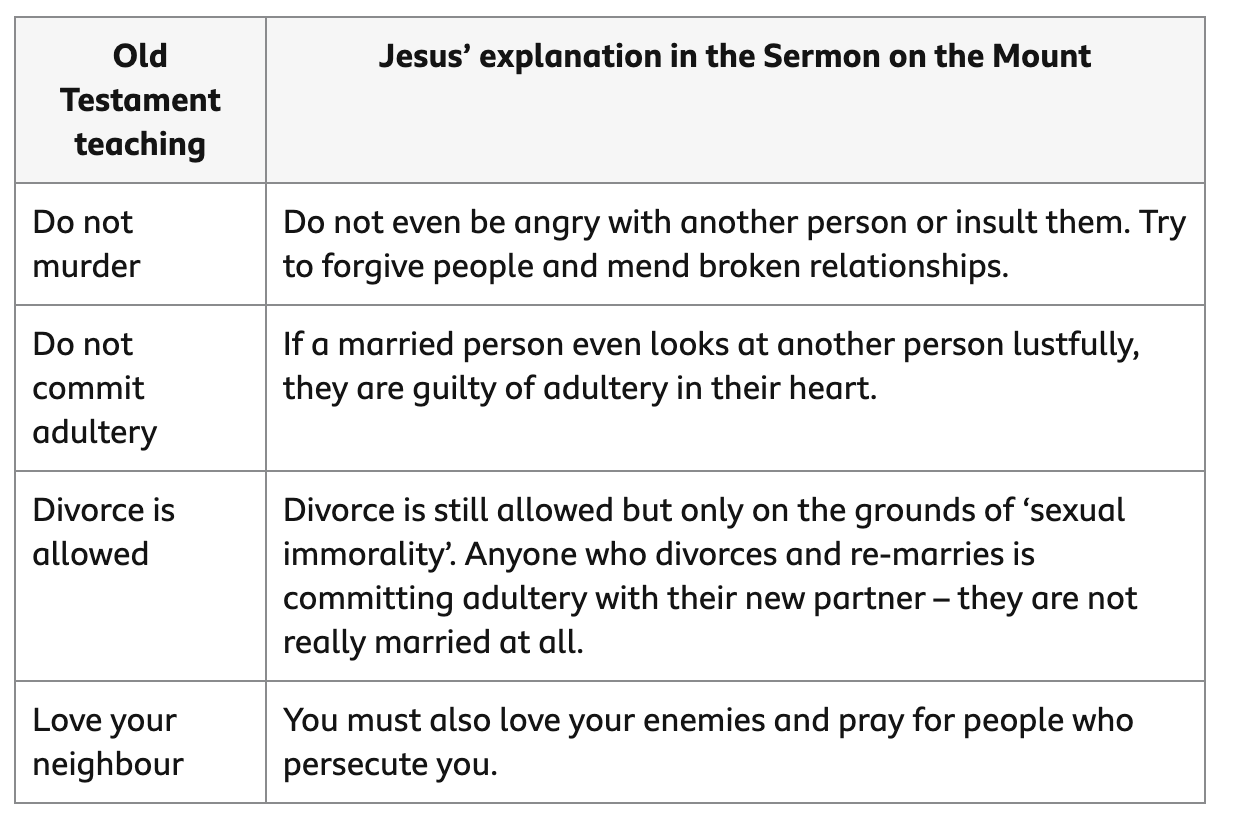
Difficult Questions About the Sermon on the Mount
1. Can Jesus’ commands in the Sermon on the Mount really be practiced today?
The answer is yes—but the Sermon on the Mount is not “breezy” or easy
2. Why did these principles of the law of Moses need to be replaced by Jesus commands in the sermon on the mount
Because the Law was temporary, pointing to something greater.
Romans 3:20–28 reminds us that the law reveals sin but cannot save us.
Romans 9–10 affirms that the law is good, yet limited—it could only guide, not transform.
As Hebrews 1:1–2 explains:
“God, who at various times and in various ways spoke in time past to the fathers by the prophets,
has in these last days spoken to us by His Son.”
Jesus’ commands fulfill and transcend the Law, bringing forgiveness that is permanent, not temporary as with the “blood of bulls and goats.”
3. Who was Jesus to command new principles of conduct contained in the sermon on the mount?
Acts 2:22–24, 32–33, 36 gives the answer: Jesus is “a Man attested by God through miracles, wonders, and signs,” raised from the dead and exalted to God’s right hand as both Lord and Christ.
Therefore, His authority to command is divine, not human.
4. Are the commands of the sermon on the mount only for mans’s good in the present earthly existence?
No. The ultimate goal is eternal salvation. As 2 Corinthians 5:9–10 declares,
“We must all appear before the judgment seat of Christ, that each one may receive the things done in the body, according to what he has done, whether good or bad.”
5. What is to be done when we face difficulties practicing the principles of the sermon on the mount?
1 John 5:14–15 gives the assurance:
“If we ask anything according to His will, He hears us.”
God strengthens us to live these truths when we depend on Him in prayer.
The Sermon on the Mount stands in direct contrast to worldly logic. As Ecclesiastes teaches, “There is nothing new under the sun.” Mankind’s wisdom has failed through war, corruption, and pride. The ways of the world bring chaos; the way of Christ brings peace.
When we live out these teachings—showing mercy, forgiving enemies, walking humbly, and enduring persecution—we become living proof that the gospel works. These are not just moral lessons but marks of discipleship that show our citizenship in heaven.
“Blessed are you when they revile and persecute you… for great is your reward in heaven.”
The reward may not come immediately, but it is certain. The prophets before us suffered, yet they were honoured by God. Likewise, those who live by the Sermon on the Mount will be blessed—not necessarily with comfort on earth, but with glory in heaven.
The Sermon on the Mount is not easy. It confronts our pride and calls us to higher ground. It asks us to rejoice in suffering, forgive when wronged, pray when persecuted, and love when it’s undeserved. But through it all, the end of your faith - the salvation of your souls” (1 Peter 1:9).
